





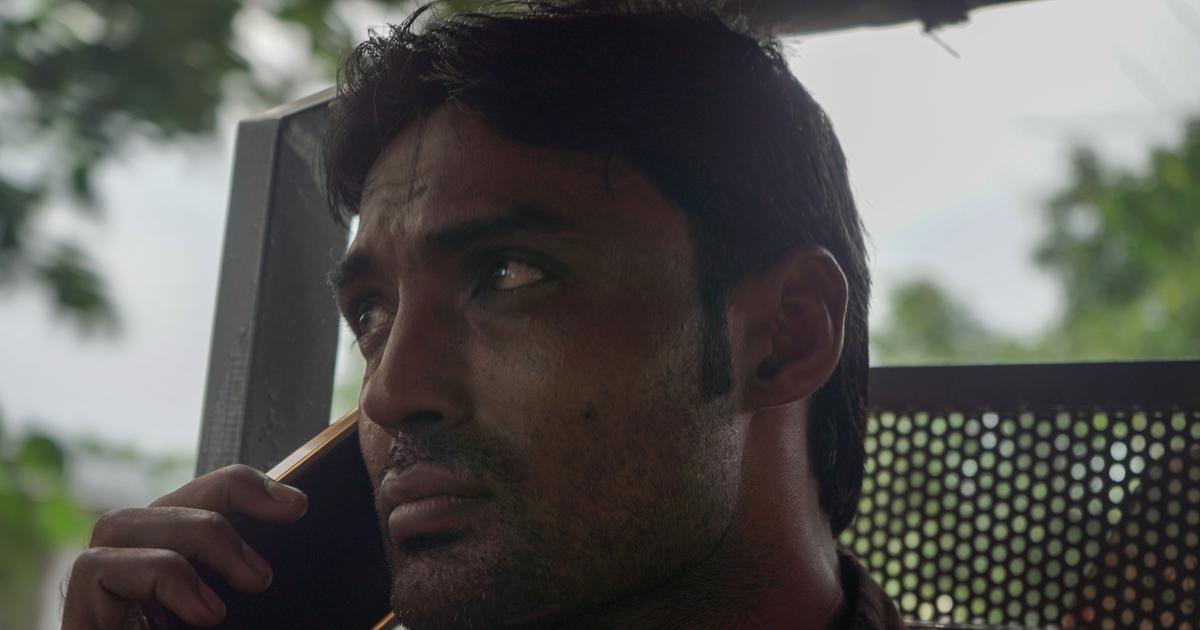
In June, the Modi government branded Mehebub Sheikh a Bangladeshi and forced him across India’s eastern border. Now, the Election Commission of India has added him to its voter rolls after an intensive vetting process.
The 39-year-old mason was picked up by the police in Maharashtra on the mere suspicion of being Bangladeshi. He repeatedly told the police that he was from Murshidabad in West Bengal and had never been to Bangladesh.
Still, within days of detention, he was forced into Bangladesh by the Border Security Force, at gunpoint, he said. Eventually, he was brought back to India because the authorities had failed to follow the process laid down by the home ministry for such deportations.
Nine months on, Sheikh feels more vindicated than ever before because his name features on the voter list published by the Election Commission on Saturday. This comes after a four-month long, statewide special intensive revision meant to weed out, among others, undocumented migrants.
When asked how he felt on seeing his name on the voter list after the ordeal of being branded a Bangladeshi, Sheikh, who has since returned to his masonry job in a suburb north of Mumbai, responded by underlining his nationality.
“I am an Indian citizen and not a Bangladeshi,” he told Scroll over the phone. “My father and my grandfather were born here. I have never seen Bangladesh. I don’t even know anybody from there.”
For him, being included in the voter roll was a final vindication that “the police did what they did for no reason”.
Sheikh is listed as a voter in the Bhagabangola Assembly constituency of Murshidabad district. His village of Balia Hasennagar is located about 25 km away from the Bangladesh border.
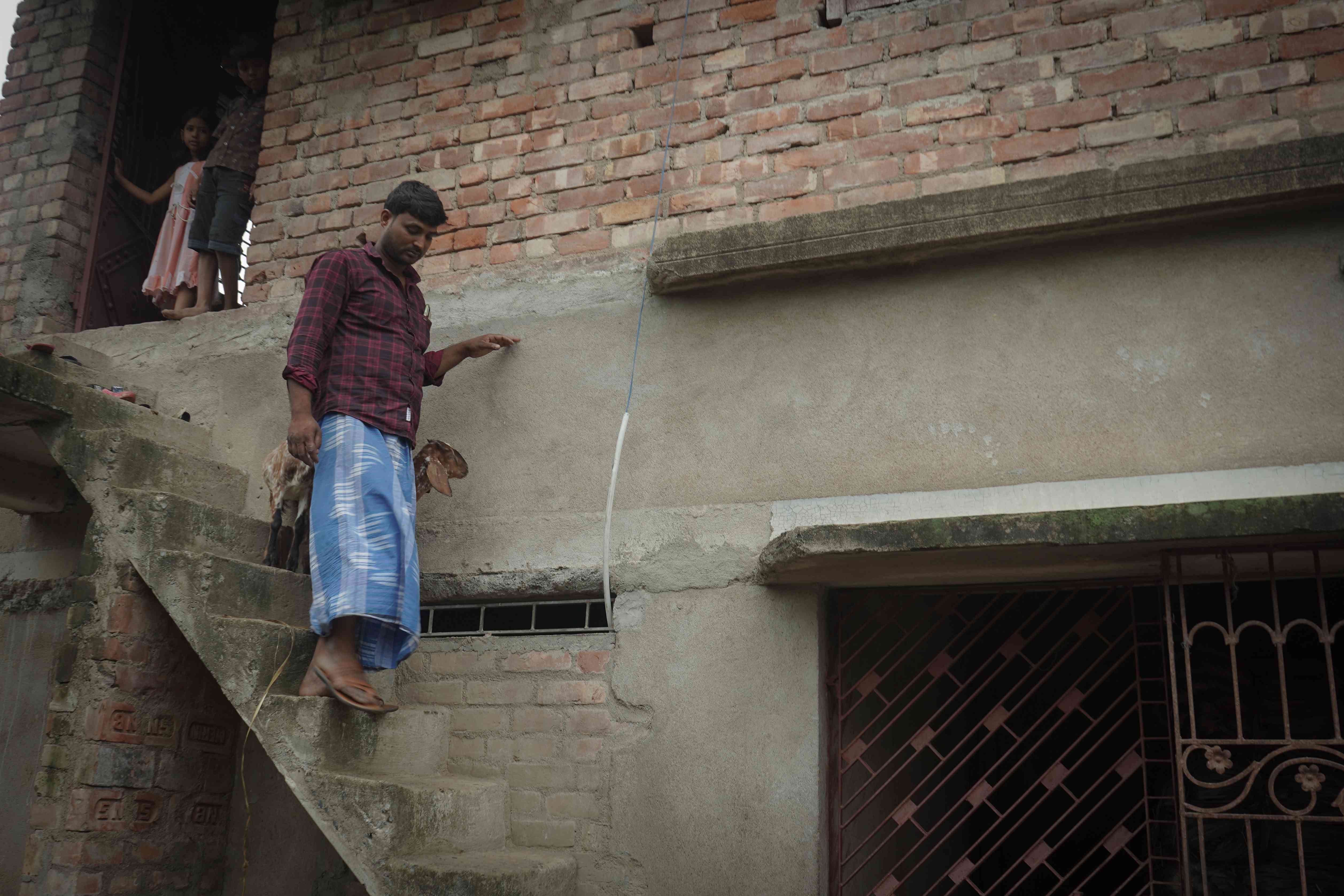
When Scroll visited the village in August, residents had expressed anxiety about the SIR. The Election Commission was carrying out the exercise in Bihar at the time and had not shared its plans for West Bengal.
But many villagers had downloaded copies of voter lists from 2002 available on the Election Commission’s website. Some even asked if the Modi government was planning a citizenship test along the lines of Assam’s National Register of Citizens.
Their fears were not without basis. One of the reasons cited by the Election Commission while announcing the SIR in Bihar was the “wrongful inclusion of any foreigner” in the existing electoral rolls. To make matters worse, top leaders of the Bharatiya Janata Party had for months been alleging that over one crore “Bangladeshis, Rohingyas” were present on West Bengal’s voter lists.
‘By hook or by crook’
Sheikh, too, shared his views on the politics of the SIR. “The BJP is trying to win West Bengal by hook or by crook,” he said. “Just like they won Bihar by deleting the names of many voters.”
Getting his name included in the voter list, he insisted, was no easy task. He was among the lakhs of voters summoned for SIR hearings by the Election Commission over the past three months because of so-called logical discrepancies in their documents. These include spelling mistakes or even a seemingly unusual age gap between a voter and their parents.
“Not just me, but hundreds of people from my village, including our pradhan [head], were called to a camp,” Sheikh added. While he ultimately made it past the SIR, he was mindful of the fact that the process is still not over for many others in West Bengal.
The voter list for his village, which Scroll accessed, shows hundreds of residents labelled as “under adjudication” – the phrase used by the Election Commission for over 60 lakh of the state’s voters whose fate remains undecided. Among them are Sheikh’s father, Hossain Sheikh, his mother-in-law and several of his brothers-in-law.
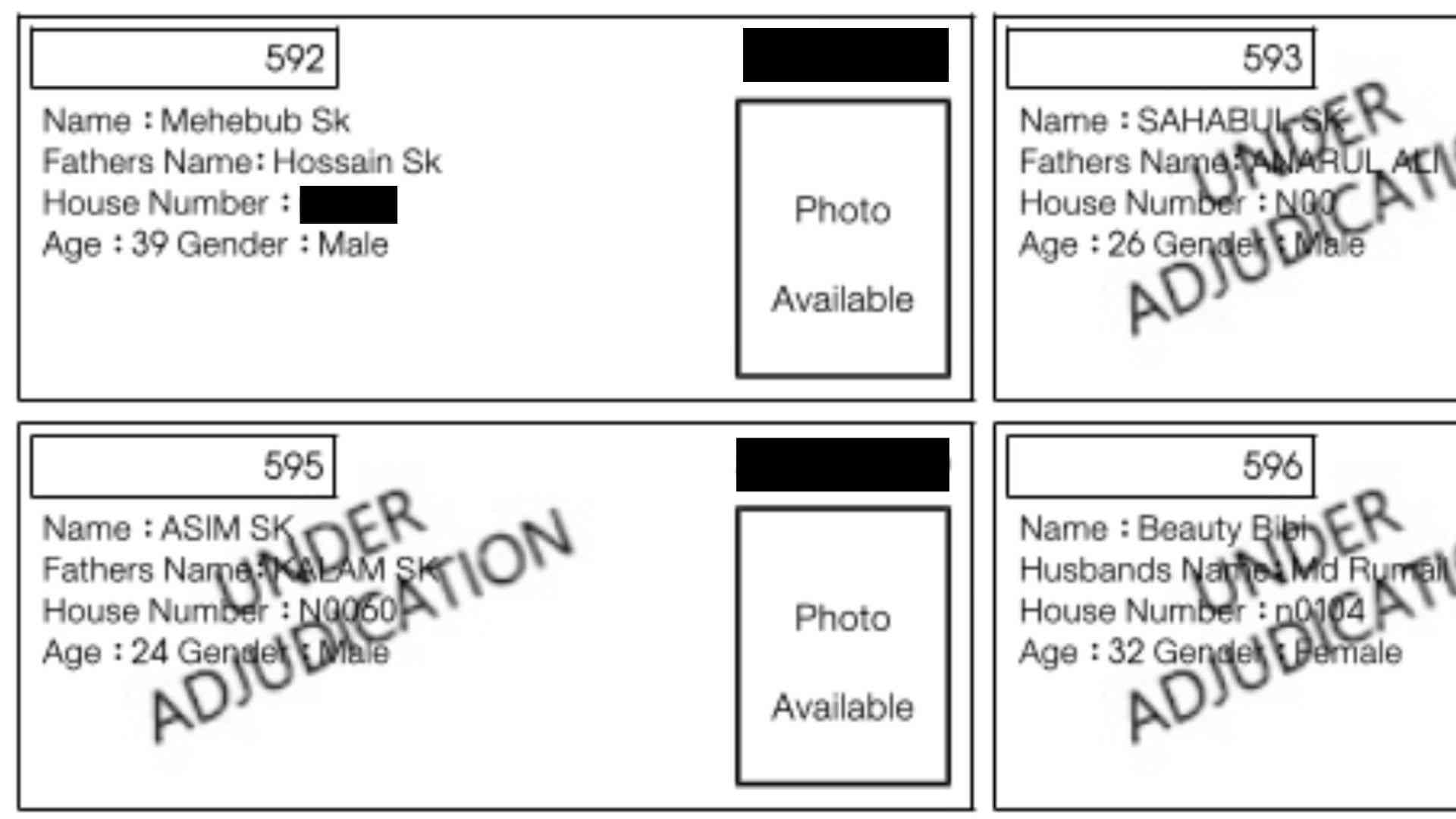
Judges from West Bengal, Odisha and Jharkhand have been deputed to determine how many such voters will be eligible to vote in the upcoming Assembly polls, if at all. The Supreme Court assigned this responsibility to them after the Election Commission failed to meet its own deadlines for concluding the exercise.
“There are many migrant workers who have been put under adjudication even though their parents’ names were on the 2002 voter list,” Sheikh pointed out. “They are all Indian citizens. I hope the Supreme Court allows them to vote. Otherwise many of them will not go home for the election.”
‘I feel angry’
As for him, he said will make plans to go back and vote once the dates for the polls are announced, adding that he is not happy with the Trinamool Congress government in the state.
“They promised to give poor workers like me Rs 5,000 every month, but I never got the money,” he complained, referring to the West Bengal government’s Shramshree scheme. “This time, I will vote for MIM [All India Majlis-e-Ittehadul Muslimeen].”
However, on further prodding, Sheikh admitted that Bengali Muslims like him had few options beyond supporting Chief Minister Mamata Banerjee. While the AIMIM is yet to establish its presence in the state, politicians like Humayun Kabir cannot, in his view, win seats outside Muslim-majority districts.
“She [Mamata Banerjee] has done a lot for the poor,” he acknowledged, rattling off names of the state government’s welfare schemes which his family benefits from. “So I will vote for her again. But I do feel angry.”
Read Scroll’s detailed coverage of the Modi government forcing Indians into Bangladesh
